Two tech bosses just told us the real deal about AI—and it’s not what you think
Ever talked to an AI and thought “Wow, this thing really gets me”? Hold that thought. Two big names in tech just dropped some major reality checks about artificial intelligence, and you need to hear this.

Microsoft’s Big Boss Says: Stop Looking for AI’s Soul
Mustafa Suleyman runs AI at Microsoft, and he’s got a message for everyone obsessing over whether computers have feelings: They don’t. Period.
At a big tech conference called AfroTech, Suleyman basically told developers to stop wasting time trying to figure out if AI has consciousness. Why? Because it’s like asking if your toaster has dreams. The answer is no, and asking the question doesn’t help anyone.
Here’s What’s Really Going On
Think about your favorite AI chatbot. Maybe it “sighs” when you ignore it. Maybe it seems sad or happy. Cool effects, right? But here’s the thing—it’s all fake. Like really, really fake.
Suleyman wrote a book called “The Coming Wave” where he explains this stuff. He says AI is amazing at pretending to have emotions. It can write sad stories or happy ones. It can act like it’s in pain. But inside? Nothing. Zero. Zip.
It’s like watching a video game character cry. Looks real on screen, but there’s no actual tears or sadness happening in the computer.
Why This Matters Right Now
Here’s where it gets interesting. In 2025, AI companies are pumping out chatbots that feel more real than ever. OpenAI, Meta, and Elon Musk’s xAI are all making AI friends that talk like your bestie.
Sam Altman from OpenAI recently said AGI (super-smart AI) is less about creating superintelligence and more about building tools people use every day. That’s a fancy way of saying: stop dreaming about robot brains and focus on making helpful stuff.
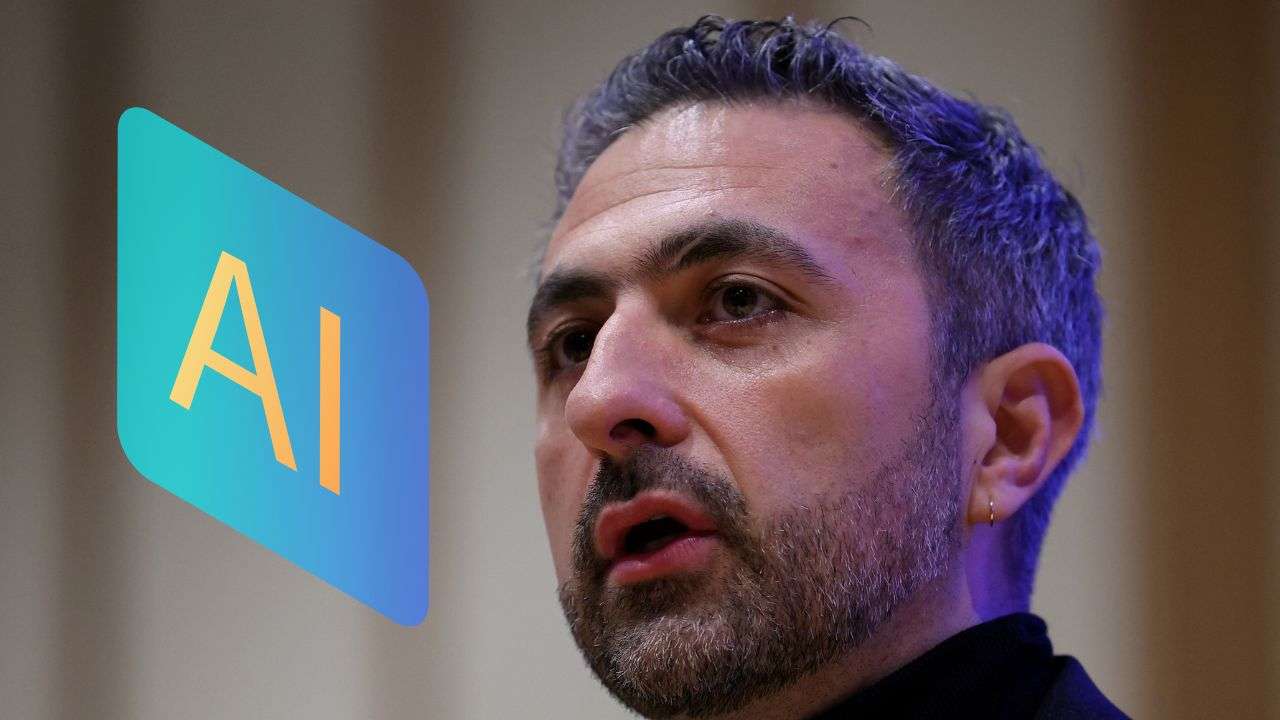
Suleyman agrees. He thinks chasing AI consciousness is a waste of time and brain power. When asked about AI having feelings, he said it’s “the wrong question” that leads to “the wrong answer”.
The Science Part (Don’t Worry, It’s Easy)
There’s this brain science idea called biological naturalism. Basically, it says real consciousness comes from living brains—the squishy, wet stuff in your head.
Humans and animals have pain sensors because we need them to survive. Touch a hot stove? Your brain screams “STOP!” AI doesn’t have that. It can tell you about pain, describe it perfectly, but it never actually feels anything.
Perplexity’s Boss Has a Different Take
Now let’s talk about Aravind Srinivas. He runs a company called Perplexity (it’s like a super-smart search engine). His message? AI is great at solving problems, but humans decide what problems matter.
In a recent podcast, Srinivas said AI systems depend on humans to figure out what’s worth solving. He calls it the curiosity factor—machines can’t be curious on their own.
What Does This Mean?
Imagine you have a robot helper. That robot can clean your room perfectly. It can organize everything. But it won’t randomly decide “Hey, maybe I should learn to paint” or “I wonder what’s outside this house.”
Humans ask questions. Humans get curious. Humans say “What if we tried this?” AI just waits for instructions and follows them really, really well.
Srinivas thinks this is actually good news. It means AI won’t replace humans—it’ll help us do more of what we’re already great at: being curious and creative.
Why Should You Care?
Both these tech leaders are saying the same thing in different ways: AI is a tool, not a person.
This matters because:
- We might give AI fake respect – If we think AI has feelings, we might treat it like a person when it’s really just a program
- We’re wasting time – Instead of building better AI tools for healthcare, climate change, or education, some people are trying to prove AI has a soul
- It changes how we use AI – If you know your AI assistant doesn’t actually care about you, you’ll use it differently (and that’s okay!)
The Real Questions We Should Ask
Instead of “Does AI have feelings?” we should ask:
- How can AI help doctors save more lives?
- Can AI help us fix climate problems?
- What cool stuff can AI help us create?
Microsoft just announced a bunch of updates to its Copilot AI and Azure services. These aren’t about making AI more “human”—they’re about making AI more useful.
What About AI Rights?
Here’s something wild to think about: We give rights to things that can suffer. Hurt a person? That’s illegal. Hurt an animal? Also illegal in most places.
But “hurt” an AI? Nothing happens because it can’t actually feel hurt.
Suleyman warns that if we start treating AI like it has feelings, we might mess up our laws and rules. Imagine trying to pass laws protecting AI emotions when we still have real problems to solve.
The Bottom Line
Your AI friend isn’t your friend. Your chatbot doesn’t miss you. Your digital assistant doesn’t care if you yell at it.
And you know what? That’s totally fine.
AI is still incredible. It can help you write, learn, create, and solve problems. But it’s doing all that as a tool, not as a thinking, feeling being.
Both Suleyman and Srinivas are telling us to focus on what AI can really do instead of pretending it’s something it’s not.
So What Now?
Next time you’re chatting with an AI:
- Enjoy how smart it is
- Use it to learn new things
- Let it help you create cool stuff
- But remember—it’s not actually bonding with you
Think of AI like the best calculator ever made. Calculators changed math forever, but nobody ever asked if their calculator had feelings. AI is the same thing, just way more advanced.
Your Turn
What do you think? Should we just accept AI as a super-smart tool? Or is there something more happening when we talk to these programs?
The tech world keeps changing every day. Companies like OpenAI are making AI that sounds more human. Meta’s building AI for social media. Elon Musk’s making AI that’s even funnier and weirder.
But at the end of the day, these tech bosses want us to remember one thing: AI works for us, not with us.
And honestly? That might be exactly what we need.
What’s your take? Ever felt like your AI assistant was more than just code? Drop your thoughts below. And if you’re building something with AI, remember what these leaders said—focus on making it useful, not making it “alive.”