
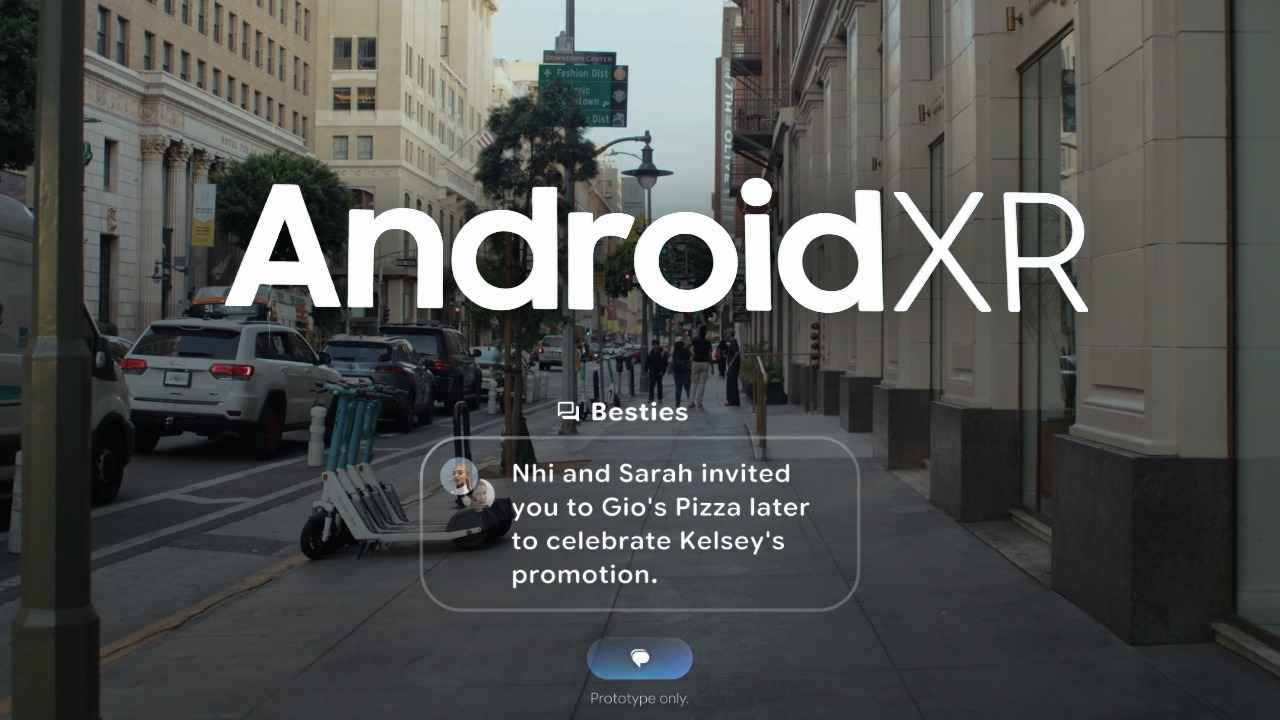
Google has officially introduced photorealistic “Likeness” avatars on Android XR, marking a major milestone in the evolution of virtual communication and extended reality (XR) technology. This breakthrough aims to deliver a more human, realistic, and immersive way for people to represent themselves during virtual interactions. As Google pushes deeper into the XR ecosystem, Likeness avatars signal the beginning of a new era where digital presence feels truly lifelike.
What Are Likeness Avatars?
Likeness avatars are high-quality, photorealistic digital representations of users. They capture your facial structure, skin tone, and expressions with impressive accuracy. Unlike cartoonish avatars or simple profile displays, Likeness avatars focus on realism, helping users maintain natural presence even while wearing XR headsets.
Google’s method stands apart from Apple’s Vision Pro Personas. Instead of scanning with a bulky headset, Google allows users to create their avatars using a smartphone app. This makes the scanning process faster, more accessible, and more comfortable.

Why Photorealistic Avatars Matter
The introduction of photorealistic XR avatars is more than just a cosmetic update. It addresses a fundamental challenge in virtual interactions: maintaining human connection. When people meet in virtual environments, much of the natural communication gets lost. Likeness avatars aim to restore that connection.
Google’s announcement on the future of Android XR
More Natural Video Calls
Using Likeness avatars in video calls on apps like Google Meet, Zoom, or Messenger allows users to show a lifelike version of themselves. These avatars mimic facial expressions, eye contact, and subtle head movements. This makes virtual conversations feel significantly more human and less mechanical.
Stronger Virtual Presence
A major benefit of photorealistic avatars is improved presence in digital spaces. Traditional VR avatars often feel distant or artificial. By contrast, Likeness avatars enhance trust, clarity, and engagement. Even without full spatial environments, the realism alone elevates the entire communication experience.
How Google’s Likeness System Works
Instead of relying on XR headsets to capture user faces, Google uses a dedicated Android app that scans your face using your smartphone camera. This data is then processed to generate a 2D photorealistic avatar capable of reflecting your live expressions using the sensors in supported XR headsets.
Google’s official XR development resources
Supported Devices
The Likeness app currently works only on certain Android devices, including:
- Google Pixel 8 or newer
- Samsung Galaxy S23 or newer
- Samsung Z Fold5 or newer
Other Android models are not yet supported, and iPhone users cannot create Likeness avatars at this time. This rollout is still in its early stages and is expected to expand as Google improves compatibility.
Impact on the Android XR Ecosystem
Google is pushing aggressively into the XR space, and Likeness avatars are a core part of that effort. Alongside avatars, Android XR is gaining more features intended to enhance usability and productivity.
Two significant updates include:
- PC Connect, which allows users to bring their Windows desktop into XR environments
- Travel Mode, which helps maintain tracking while moving in vehicles
These new capabilities, combined with Likeness avatars, show that Google’s XR vision extends beyond entertainment or gaming. The goal is to make XR suitable for professional work, communication, and everyday use.
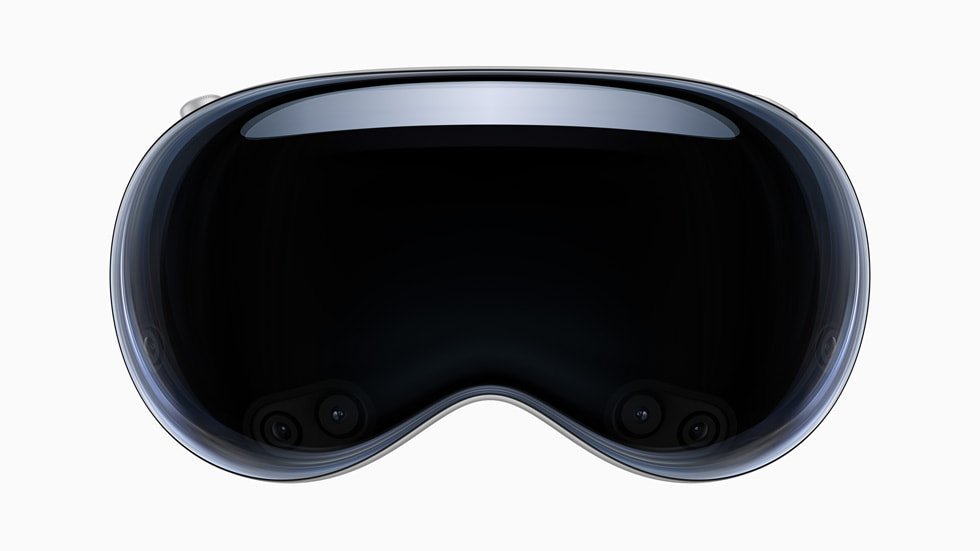
Google vs. Apple: The Competition Intensifies
Apple’s Vision Pro has dominated XR headlines with advanced spatial computing and Persona avatars. Google’s Likeness avatars, though currently limited to 2D, indicate that Google is closing the gap fast. The smartphone-based scanning system is a major advantage in accessibility and convenience.
While Apple currently leads with spatial meetings, Google appears focused on building a broader, more flexible XR ecosystem, ensuring that more devices and more users can participate without expensive proprietary hardware.
This competition will ultimately accelerate innovation and drive better XR experiences for consumers.
Apple’s explanation of Persona avatars on Vision Pro
Current Limitations and Future Possibilities
There are still some limitations:
- Likeness avatars are not yet fully 3D
- Spatial meetings are not available
- Limited device support
- Dependent on headset-level facial tracking capabilities
However, the potential is enormous. Google is expected to expand this system into:
- Full spatial avatars
- Cross-platform XR communication
- Realistic 3D meeting environments
- Enhanced expression tracking
As these features roll out, virtual interactions will become more realistic, engaging, and productive.
Conclusion
Google’s Likeness avatars for Android XR represent a significant leap toward a future where virtual communication feels as real as face-to-face interaction. By focusing on photorealism, human expression, and ease of creation, Google is building a foundation for more natural digital presence.
As XR continues to evolve, tools like Likeness avatars will redefine how we collaborate, socialize, and communicate across distances. This update is not just a technical enhancement; it is a major step forward in the journey toward seamless, immersive digital reality.