As Apple inches closer to launching its first foldable smartphone, recent reports suggest the company may finally tackle the biggest limitation facing foldable devices today: the visible crease. Codenamed the “iPhone Fold,” the device is expected to debut in the second half of 2026 with engineering refinements that could set a new benchmark for the category.
A Crease-Free Vision for Foldables
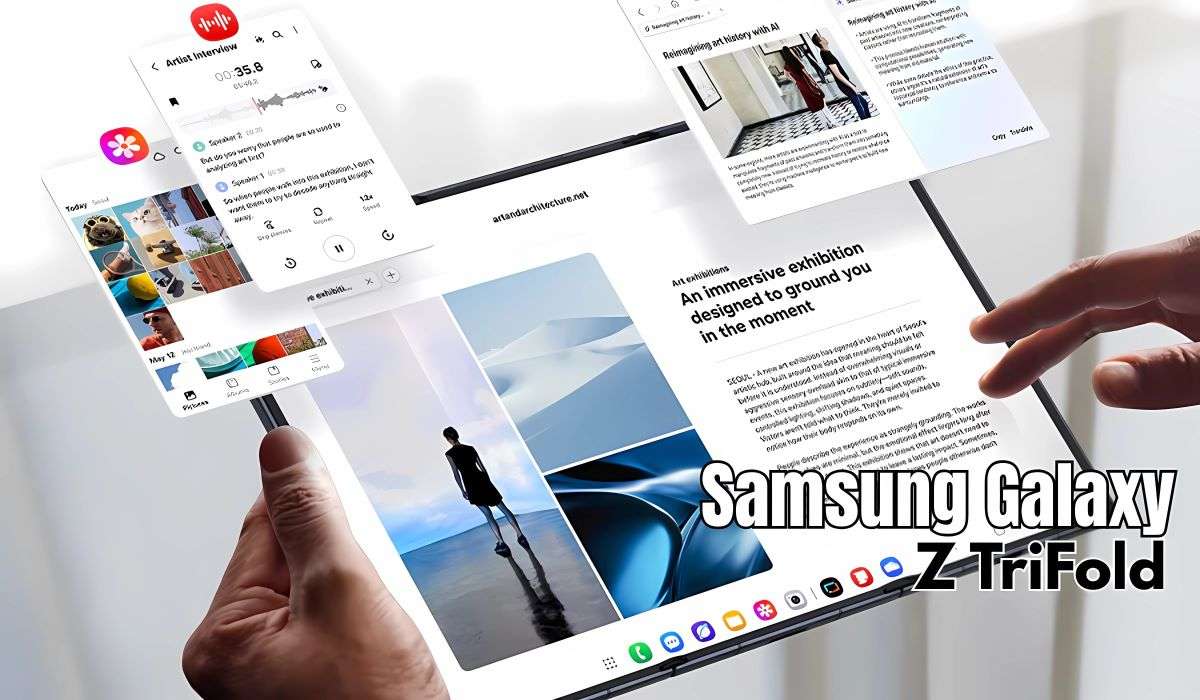
Industry insiders indicate Apple has been obsessively refining display technology to eliminate the prominent crease seen in other foldables like Samsung’s Galaxy Z series. According to multiple leaks, Apple’s approach centers on a stress-dispersing metal plate and an advanced hinge mechanism using liquid metal components — a combination designed to keep the inner display virtually crease-free even after repeated folding.
This engineering push underscores a broader philosophy: instead of merely adopting existing foldable designs, Apple is focusing on deep technical solutions to enhance user experience. Eliminating visual interruptions on the primary display could transform how users consume media, multitask, and interact with apps in tablet-like mode — a key differentiator in a market where the crease has persisted as a design compromise.
Display, Aspect Ratios, and Productivity
Rumors point to a 7.6- to 7.8-inch inner display with a 4:3 aspect ratio when unfolded, giving the handset a tablet-like workspace suited for document editing, creative apps, and split-screen tasks. The external display, projected at around 5.4-5.5 inches with a hole-punch camera, is sized for typical smartphone use. The unique aspect ratios suggest Apple intends to position this device not just as a foldable phone, but as a productivity-oriented mobile computer.
Design Trade-Offs: Touch ID Over Face ID
Interestingly, despite under-display camera advancements, Apple is reportedly foregoing Face ID on the iPhone Fold. Instead, the company may integrate a side-mounted Touch ID sensor — a practical choice given the compact and varying orientations of the foldable form factor. This aligns with Apple’s recent Touch ID implementations in other products and could improve authentication flexibility across folded and unfolded use cases.
Performance, Materials, and Battery Life
On the materials front, the foldable iPhone is expected to combine a titanium chassis with liquid metal hinge components to balance strength with a premium feel. High-density battery cells are rumored to deliver between 5,400 mAh and 5,800 mAh of capacity — a strategic necessity for powering two displays while maintaining all-day battery life.
Photography capabilities are also shaping up to be competitive, albeit focused on core everyday needs rather than niche versatility. Leaks suggest a dual-48 MP rear camera array without a dedicated telephoto lens, while the inner display may feature a high-resolution under-display front camera.
Market Outlook and Pricing Expectations
Analyst forecasts place Apple’s foldable entry at the premium end of the market, with expected pricing between $2,000 and $2,500 — significantly higher than many Android counterparts but in line with Apple’s historical pricing on category-defining products. Early demand could be strong, with some projections estimating Apple might capture a meaningful share (around 20%+) of the foldable segment by the end of 2027.
Strategic Timing and Competitive Pressure
The rumored September 2026 launch aligns with Apple’s typical fall announcement cycle, potentially alongside the iPhone 18 lineup. This timing could pressure competitors like Samsung, which is also working on foldables with minimized creases, to accelerate innovation across the market.
Conclusion: Apple Aims Beyond Foldables as a Gimmick
If the current leak trends hold true, Apple isn’t simply entering the foldable market — it’s redefining expectations around what a foldable device should deliver. By prioritizing a crease-free display, refined materials, and thoughtful ergonomics, Apple is signaling that foldable phones are not just a novelty but a serious evolution in mobile computing. Whether this ambitious approach translates into mass adoption will be one of 2026’s most closely watched tech narratives.